Before the Inspector Knocks: A Five-Minute Document Control Check for UK Firms
Photo: Gerald England , CC BY-SA 2.0, via Wikimedia Commons
Why a five-minute test beats a last-minute scramble
Regulatory visits seldom arrive at a convenient moment. An inspector from HMRC, the FCA, the CQC or a local authority may ask for evidence of document control with little notice, and the first request is often simple: produce a client file, a signed agreement, a policy or a record of advice. The red folder test is deliberately narrow. Choose one live client or matter file and prove, within five minutes, that its documents can be located, printed, copied and traced. It is not a full archive review, and it is not a substitute for legal or compliance advice. It is a practical check that reveals whether routine document handling would withstand scrutiny.
Minute one: select a representative file
Pick a current matter that includes signed terms, identity checks, correspondence, a recent report and at least one document with a retention requirement. Avoid the showpiece file that only one person knows how to assemble. Ask a colleague who is not the file owner to retrieve it. If retrieval depends on tribal knowledge, the firm has a document control gap rather than a filing problem. Record how long the retrieval took and what was missing from the index.
Minute two: confirm the indexed pack
The pack should open with a cover sheet and an index. File names should match matter references, and version control should be obvious. Can the latest version be identified without opening every PDF? Are duplicates clearly marked? If a client pack is held in several locations, is there a single authoritative copy? A five-minute test often fails at this point because documents exist but cannot be presented in a coherent order. Fast fixes include creating a one-page index, renaming files to a consistent convention and printing a replacement cover sheet through an urgent printing service.
Minute three: test the retention schedule
Ask two questions about the sample file: why is this document held, and when may it be destroyed? The retention schedule should map document classes to retention periods and responsible owners. If the schedule is generic, out of date or stored only in one person's inbox, the firm cannot demonstrate control. A workable fix is to annotate the schedule with practical examples, such as client onboarding records, signed engagement letters and correspondence, and to note the review date. Do not destroy anything during an audit test. The objective is to show a reasoned schedule, not to clear shelves.
Minute four: check print and access
An authorised member of staff should be able to print a test page from the secure print queue. Check access cards, PINs, toner, paper and confidentiality arrangements. Can the firm print only the signature pages, or must it produce an entire bundle? Is there a secure tray for regulated documents? If the printer is unavailable, is there a fallback arrangement for urgent printing? The red folder test is as much about access as it is about storage. A perfect index is of little use if the person on duty cannot produce a clean copy when asked.
Minute five: follow the scan-back trail
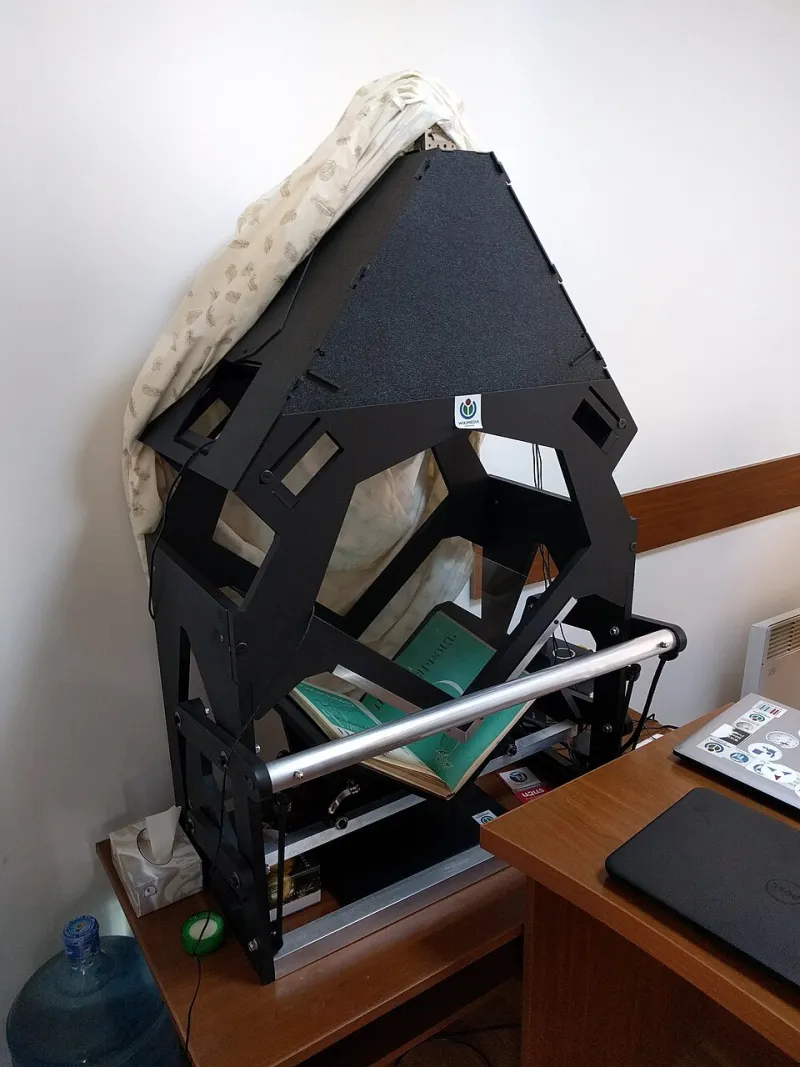
Take one executed or annotated page, scan it, file it and confirm that it appears in the matter file with the correct name, date and index entry. Check whether the scan log records the operator and time. If the scanned copy sits in a downloads folder, or if the original is placed in an unmarked drawer, the trail is broken. Rescan at a suitable resolution, use colour where colour carries meaning, and file the copy against the correct matter reference. Where certified or collated sets are needed, secure copying should preserve page order and presentation.
Fast fixes for gaps found
A failed test is useful if it produces a short remediation log. Missing index: create one today and print it for the file. Poor scan quality: rescan the affected pages and replace the working copy. No retention dates: annotate the schedule and assign an owner. Printer access issue: escalate to facilities and identify an urgent printing route. Missing signatures: do not fabricate or backdate; record the gap and arrange the correct signing process. For documents that must be presented cleanly at short notice, secure copying and scan-back services can close the gap without disrupting daily work.
Turning the test into routine
Run the red folder test monthly, using a different matter each time. Keep a simple log of retrieval time, missing items and fixes completed. Train new starters on the index and retention schedule, and review printer access before busy periods. The aim is not a perfect archive. It is the confidence that, when an inspector asks for a file, the firm can produce a controlled, indexed and traceable copy without a last-minute search. Fast Documents UK supports that routine with urgent printing, scanning and secure copying across the UK.